Animals
From the 1869 Hall’s Excelsior to replicas of landmarks like Independence Hall and Big Ben, building-themed mechanical banks combine architectural charm with playful saving lessons. These diverse designs celebrate everything from financial institutions to dream homes, making structures central to their storytelling.
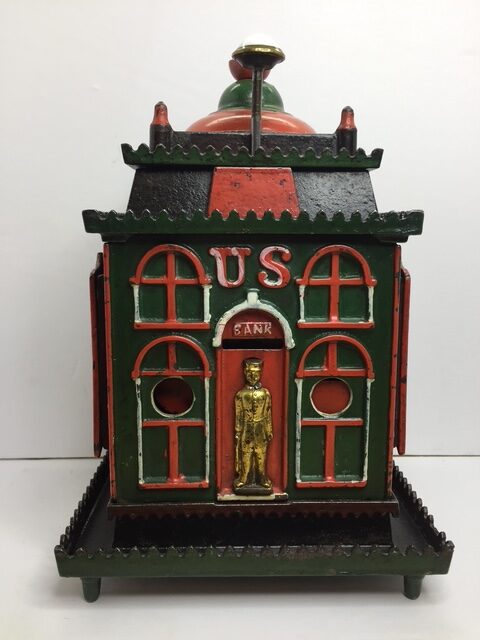
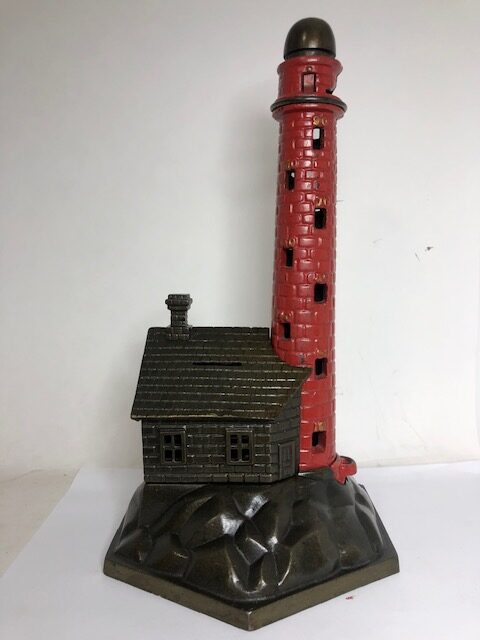
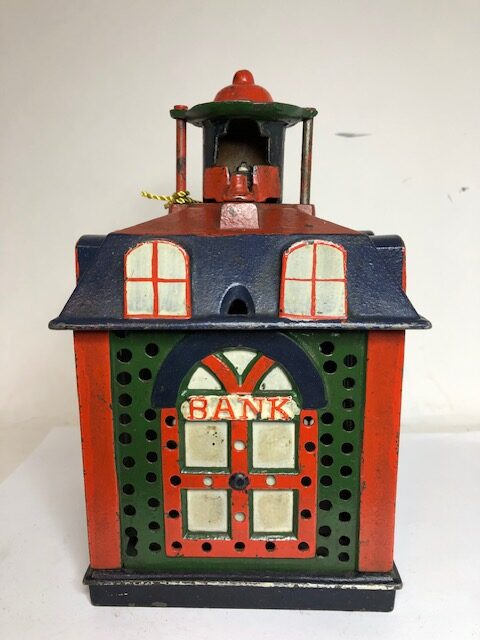
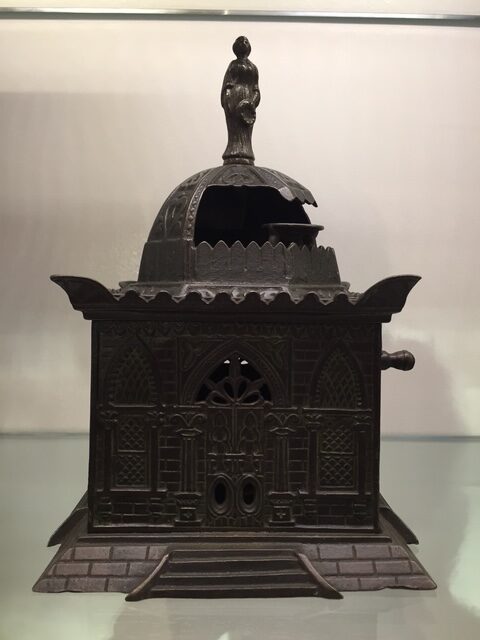
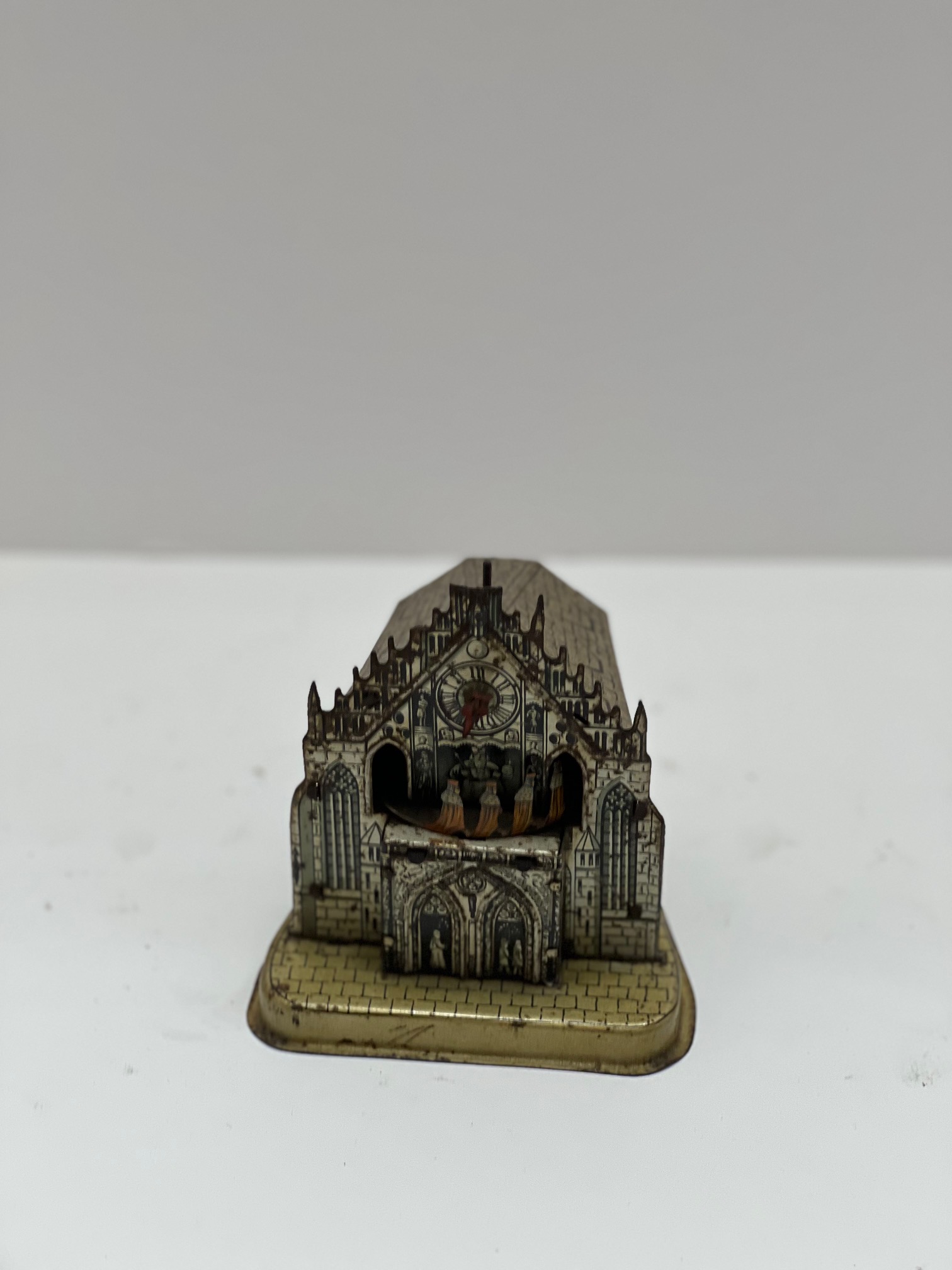
Building Banks: Architecture Meets Imagination in Mechanical Savings
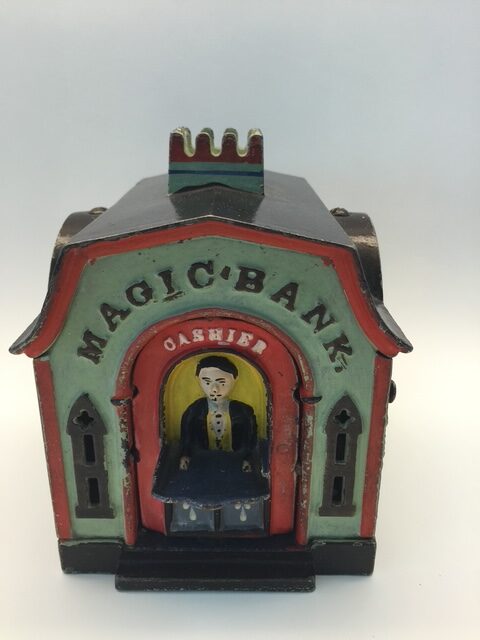
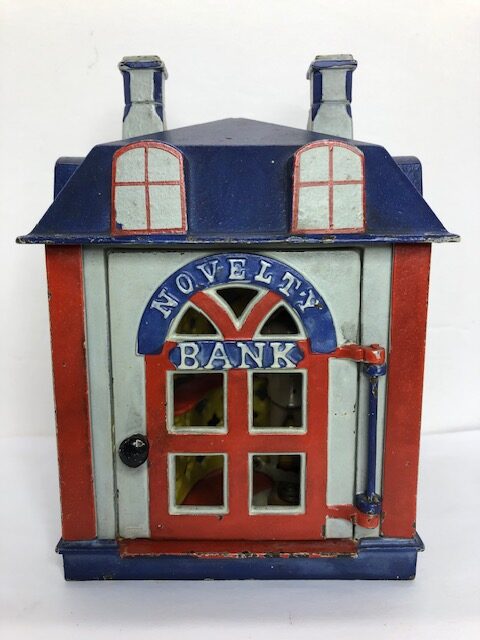
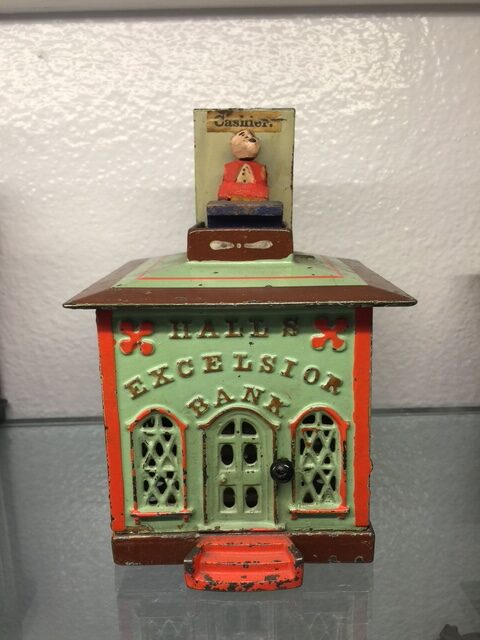
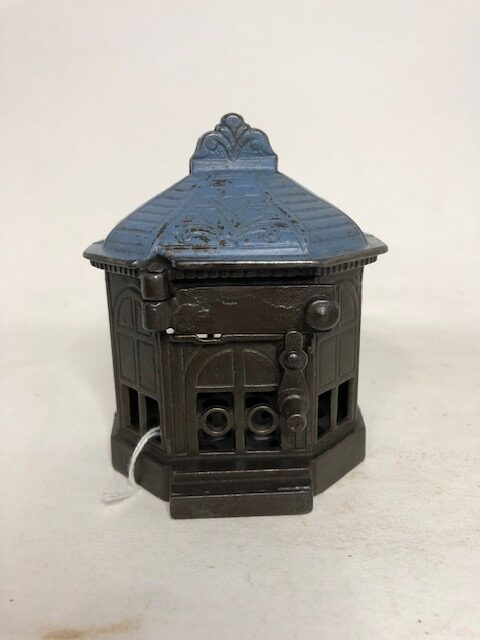
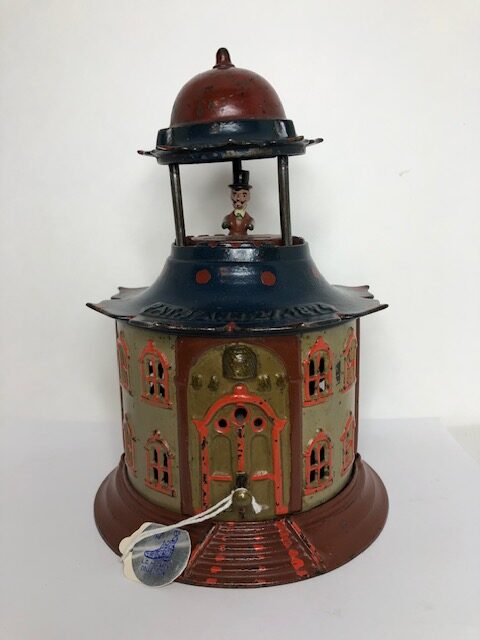
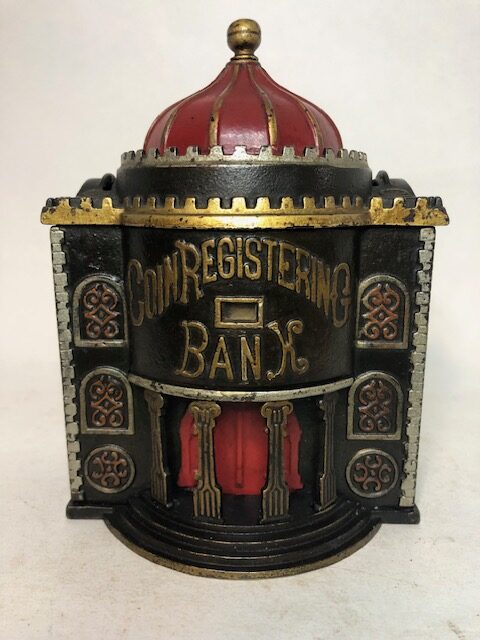
Buildings and architecture have been a longstanding focus of mechanical banks. In fact, the first mechanical bank, the Hall’s Excelsior bank, produced in 1869 was a small building, on top of which was a roof that could be opened and when it was, a monkey labelled cashier with a tray was brought up for viewing. When a penny is later put on the tray, this initiates the action as the weight of the penny causes the monkey and tray to descend and the roof to close. In that sense, the bank exemplifies what these banks were supposed to teach, savings, while supplying the child with some fun. Many additional building banks were developed following a similar formula including but not limited to the Novelty bank, the Home Bank, and the Magic bank.
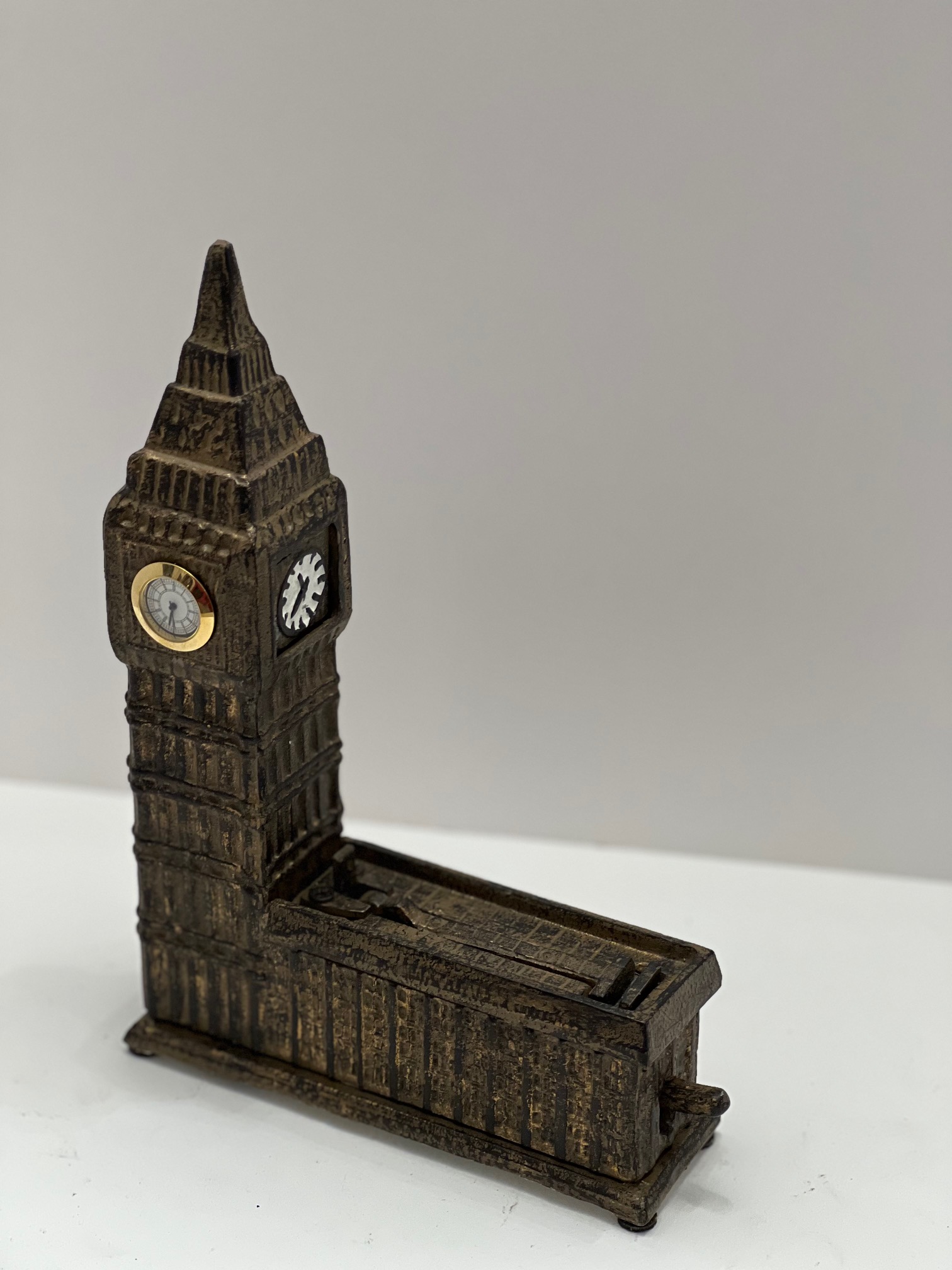
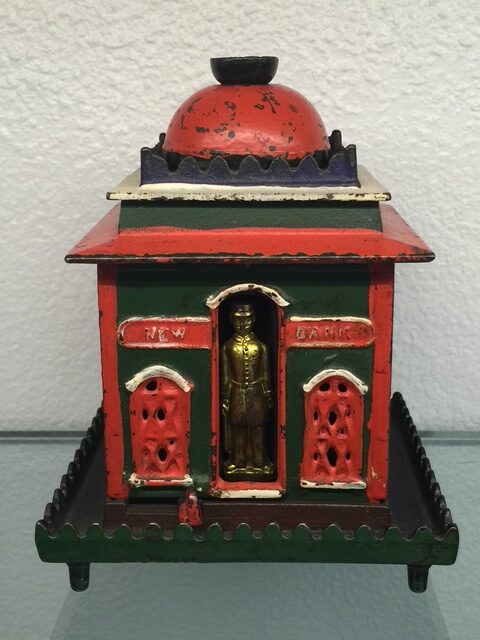
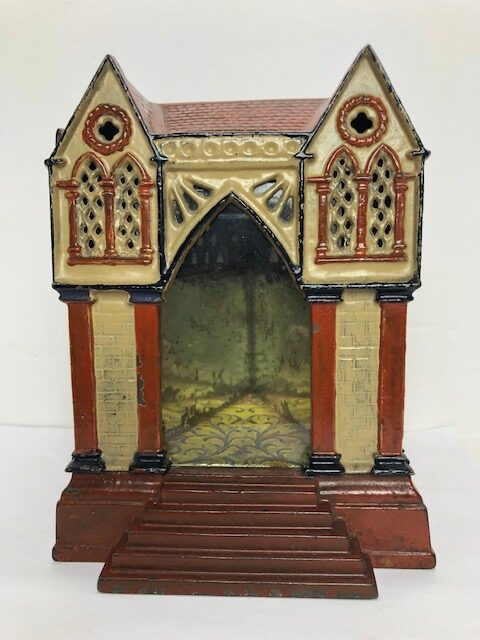
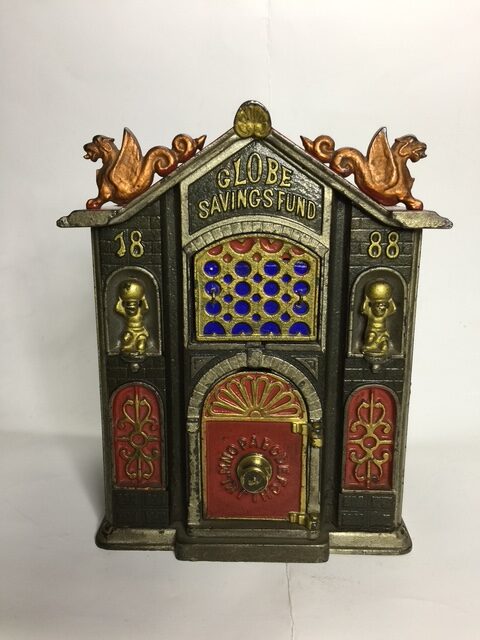
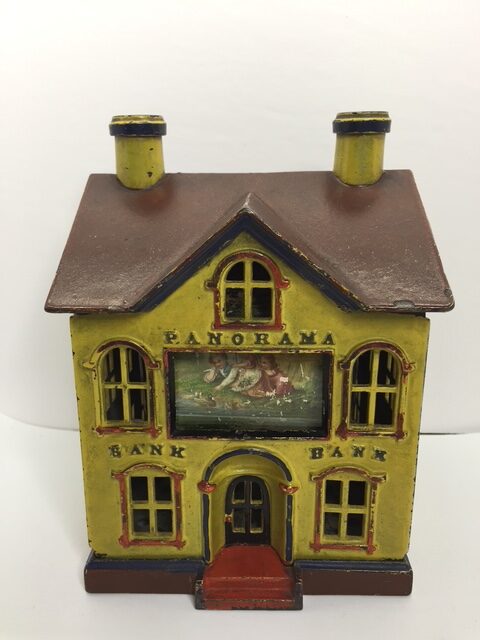
Other banks such as the US bank, the New bank and National Bank have their buildings protected by soldiers suggesting the value of the money that was deposited inside. Banks such as the Independence Hall bank, the Nurenberg Cathedral, the Mosque bank and the modern Big Ben bank were produced to mirror architecturally significant structures. Finally, banks such as the Panorama bank and the Cabin bank were made as reflections of homes of which we could live or aspire to. Building banks as such are a very diverse field. The common feature, of course, being that a building plays a significant role in the casting.