Cast Iron
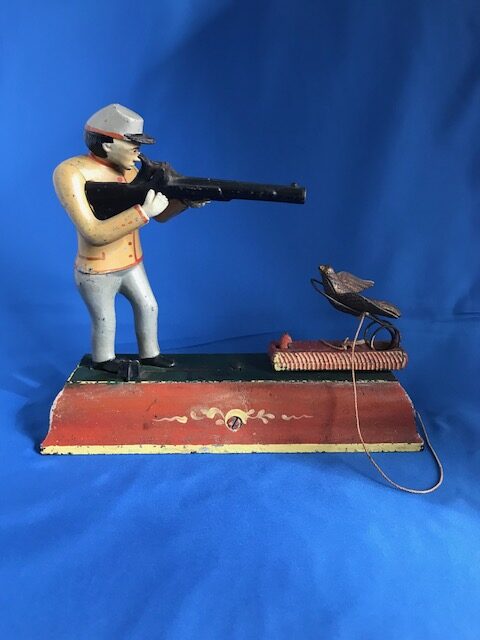
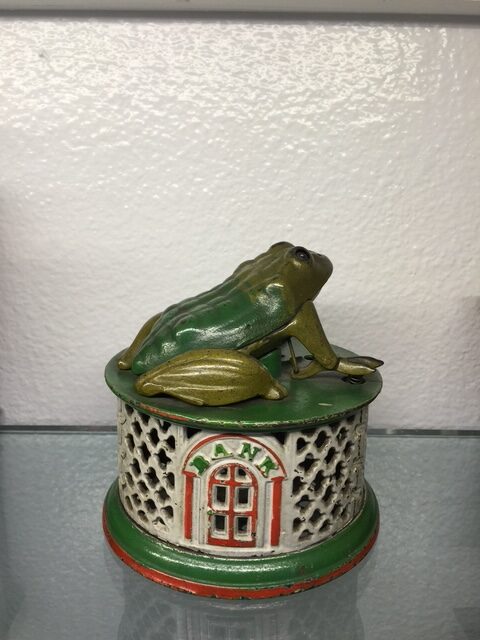
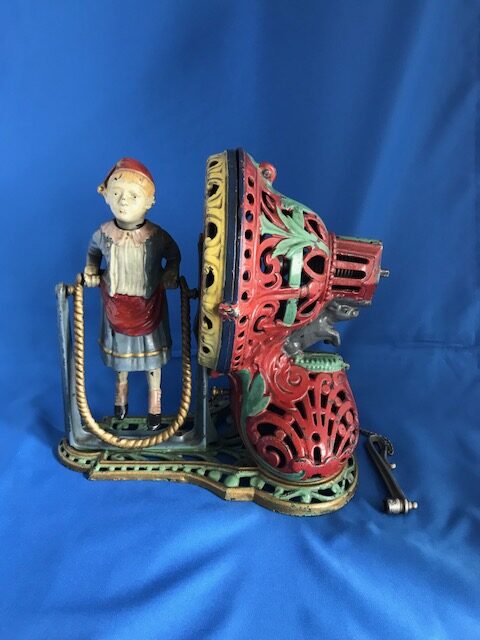
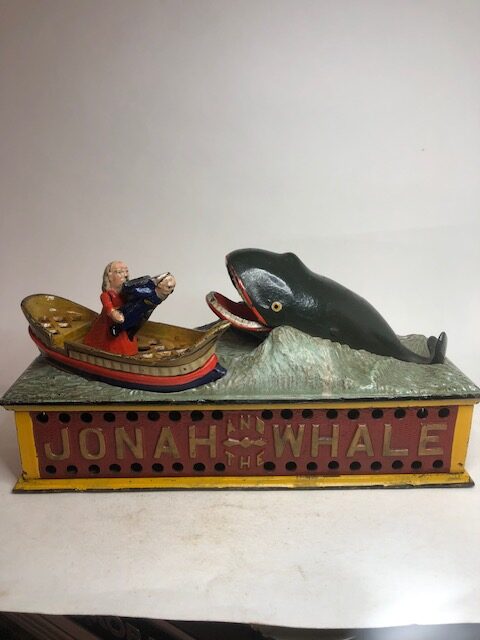
After the Civil War, cast iron transitioned from weaponry to whimsical as toy makers like J&E Stevens and Kyser & Rex began crafting detailed, hand-painted mechanical banks. Valued for their artistry and history, these banks—often painted with heavy metals—remain prized collector items today.
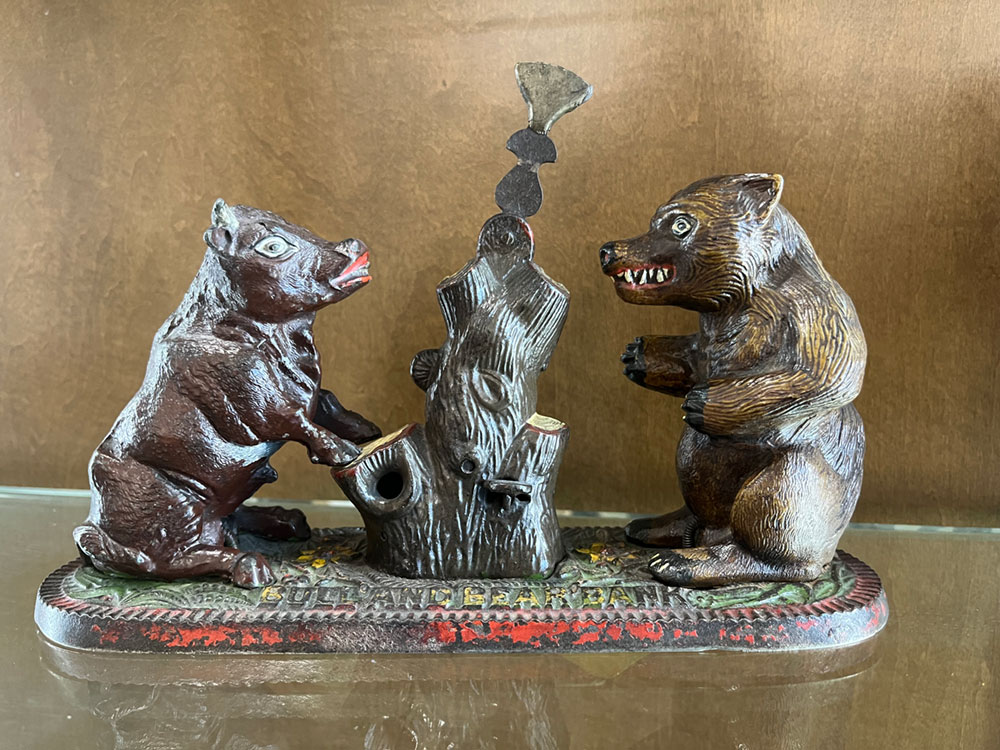
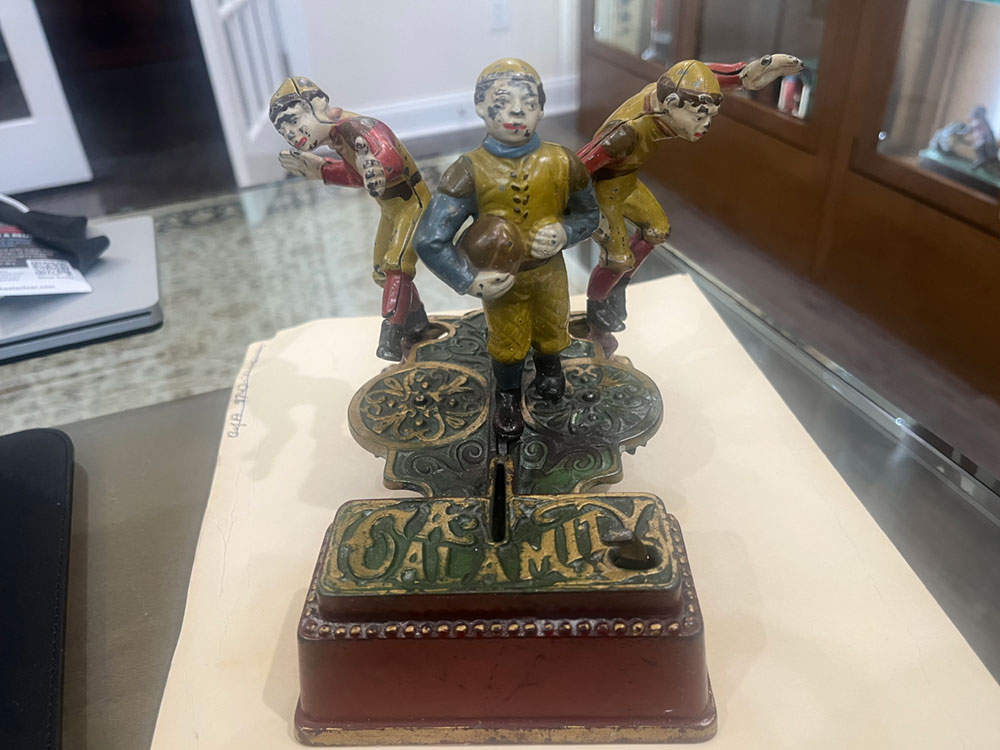
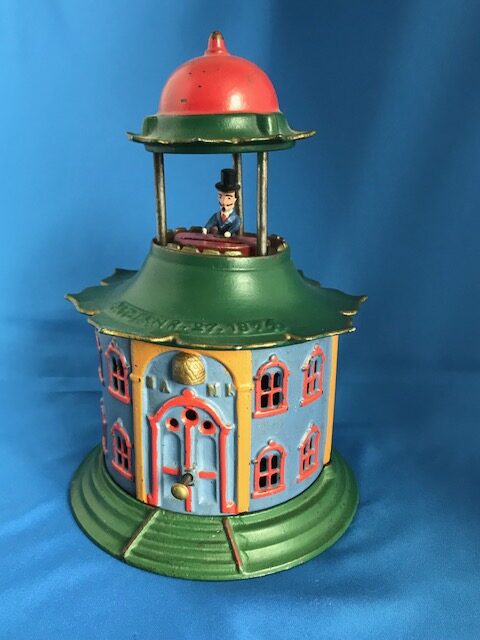
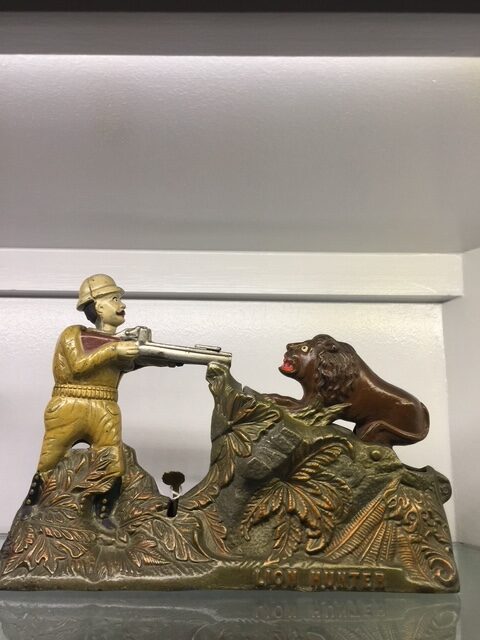
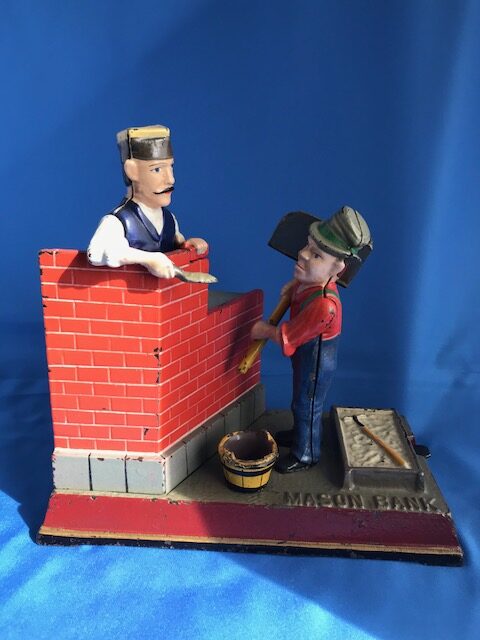
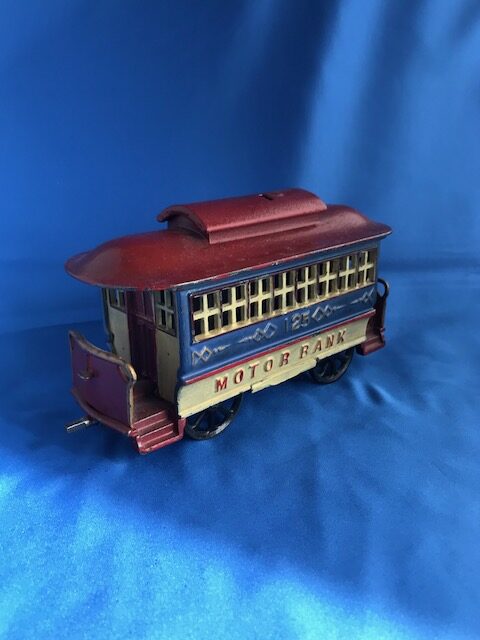
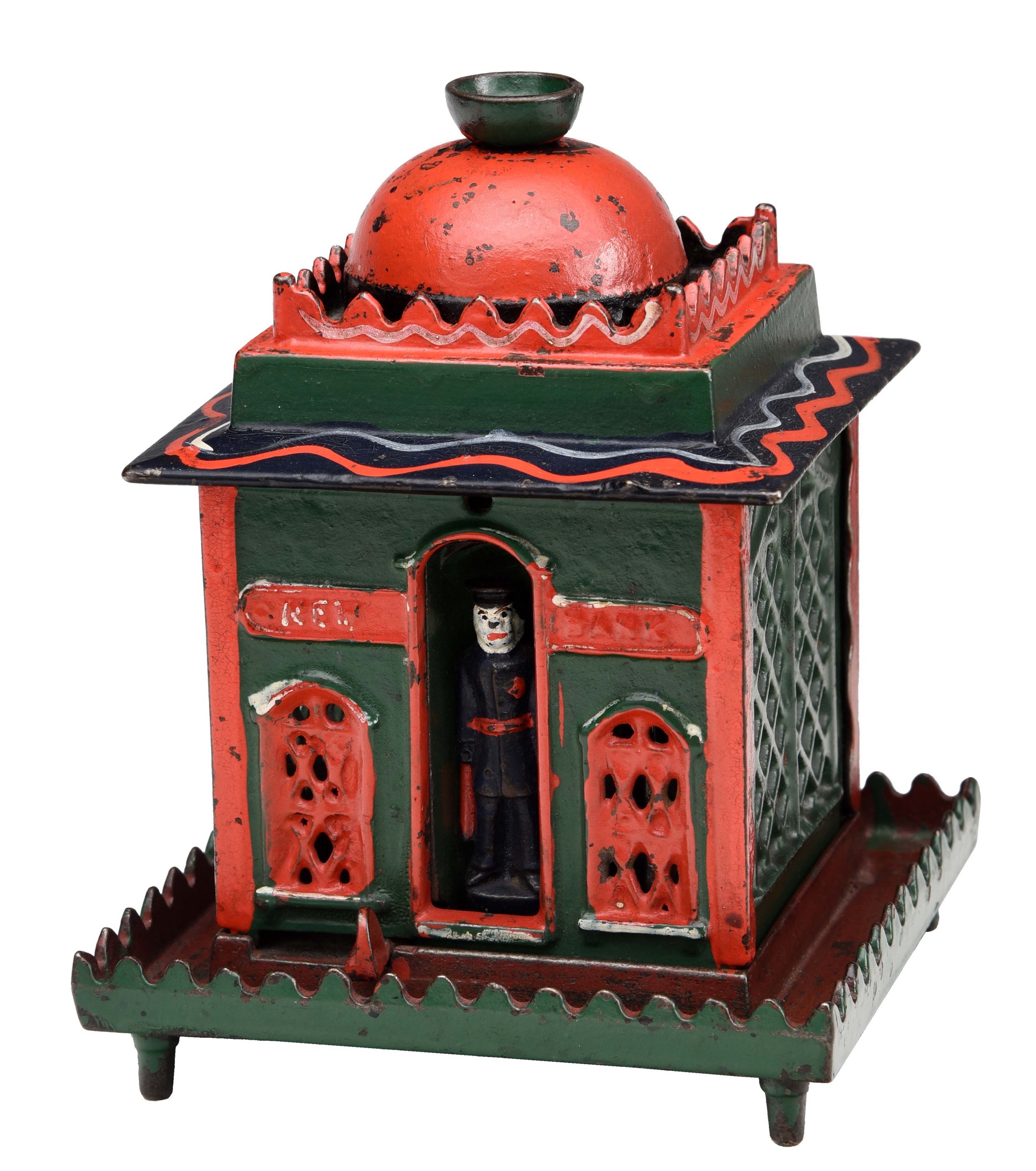
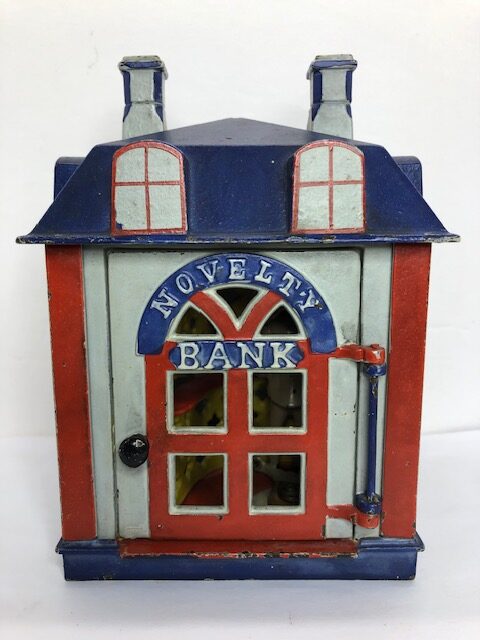
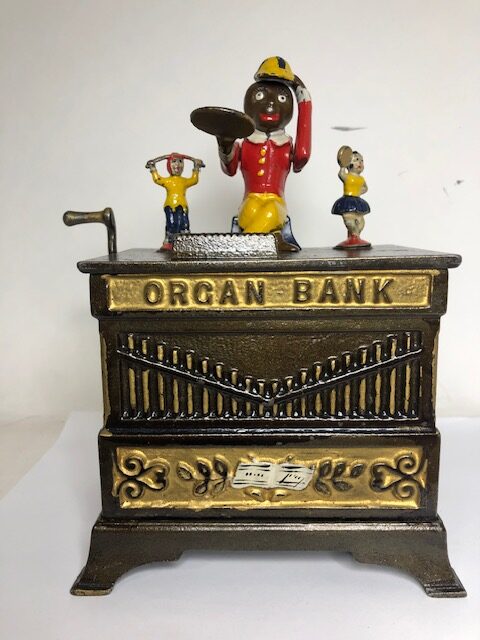
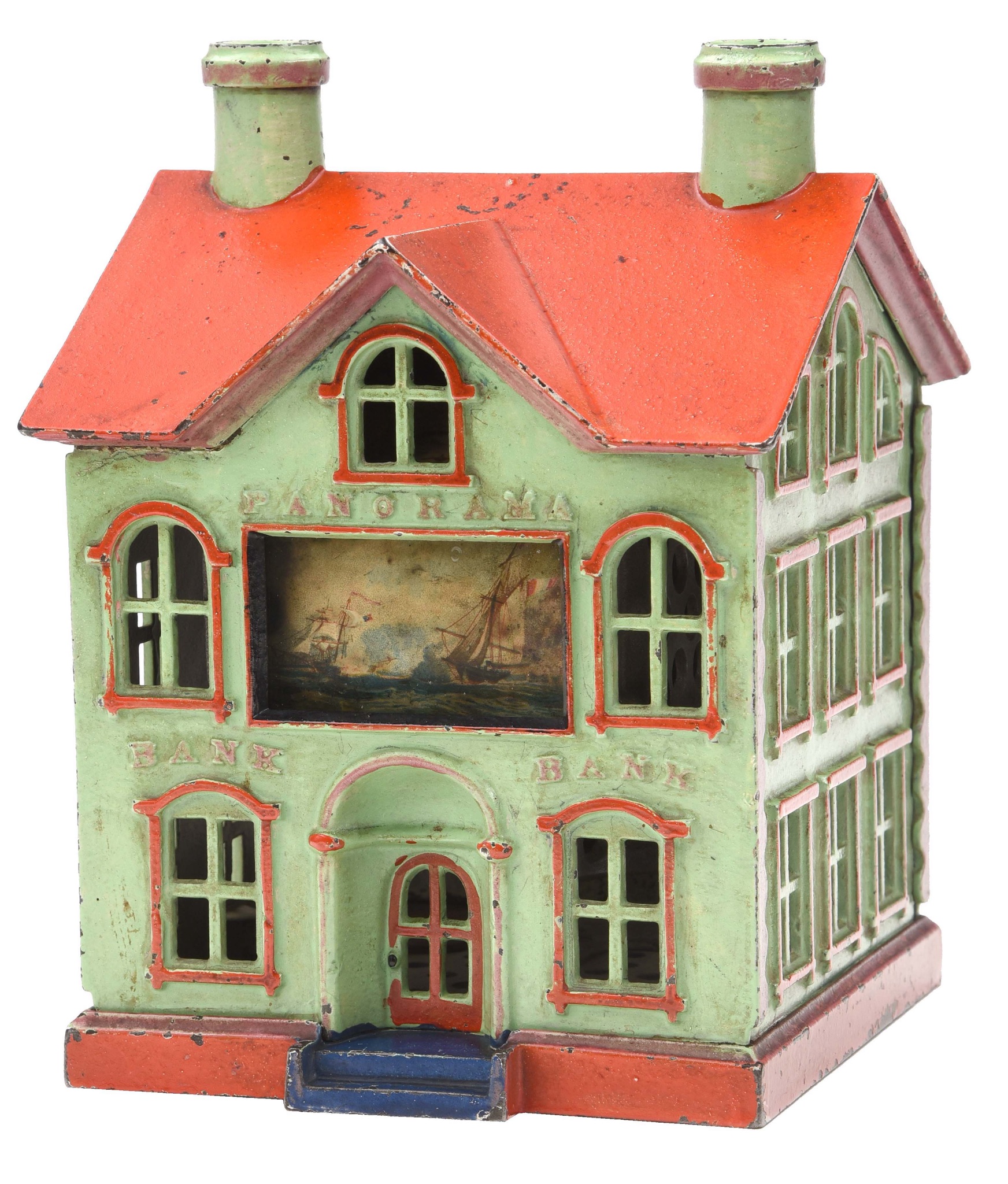
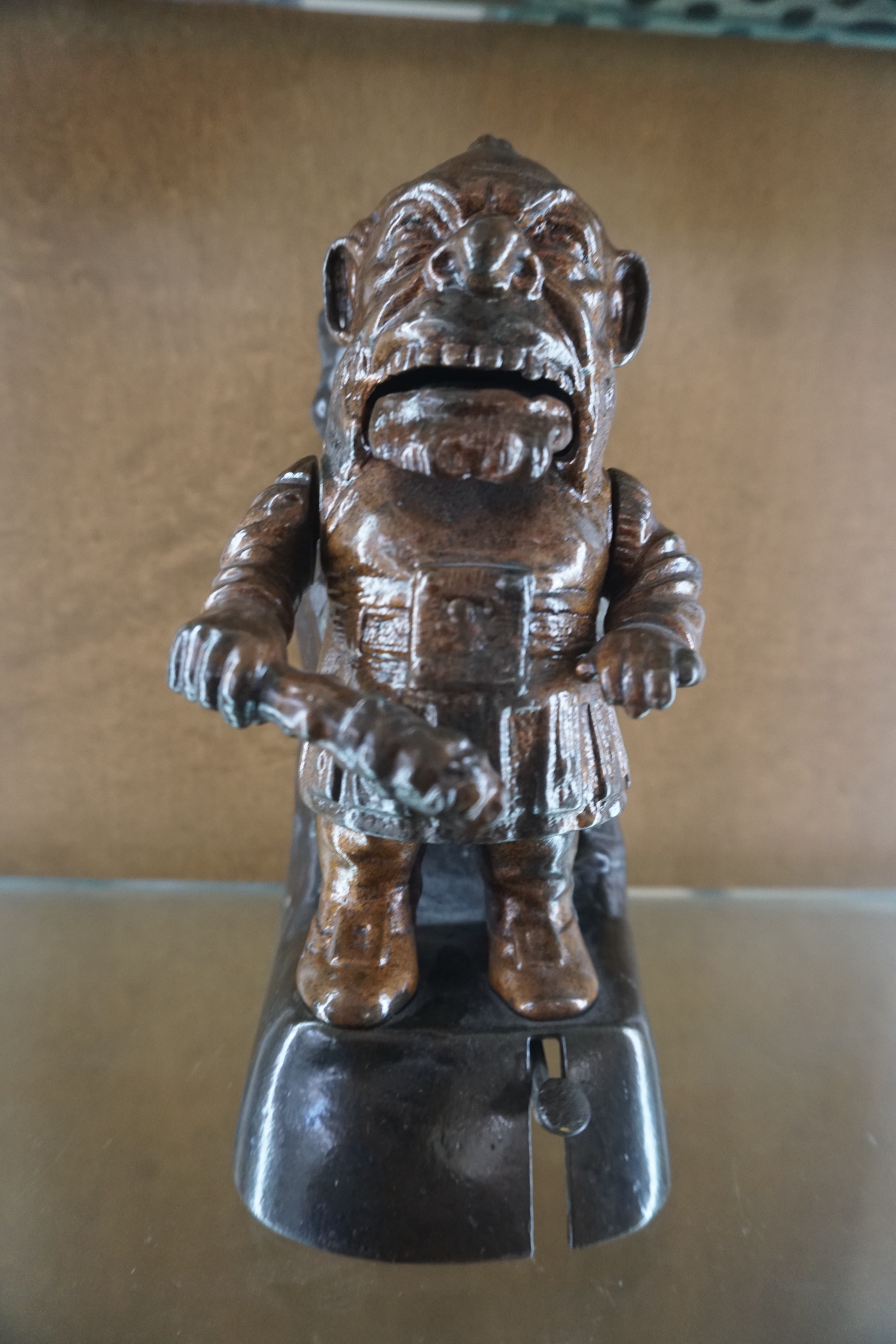
The Legacy of Cast Iron Banks: From Cannons to Collectibles
After the civil war, with the need for cannons and cannonballs being obviated, manufacturers turned to making consumer goods and as they were quite familiar with working with cast iron. This became the material of choice for many industries including those of the toy maker .Early manufacturers such as J&E Stevens, Shepherd ,Kyser and Rex as well as others made cast iron banks starting in 1869 with the Hall’s Excelsior Bank credited as the first. Continuing today, modern manufacturers will still often make their banks out of cast iron. Antique cast iron banks are the most prized by collectors. They cover all kinds of fields including everyday life, sports, politics, animals, safes, buildings, and historical events. Noted for their hand painting and detailed craftsmanship, this leads to their wide appeal. Of note, these banks were painted with heavy metal paints (i.e. lead and titanium); many of which could have side effect on the painters. For those familiar with Alice in Wonderland, think of the Mad Hatter. He suffered from lead poisoning, which drove him crazy from exposure to lead, while making felt hats. Similar side effects were seen in bank painters, who worked with the heavy metals. Today, the fact that these heavy metals fluoresce differently than modern paints under black light provides a useful technique for the collector seeking to differentiate an original paint job from a repaint.